The strangest thing about the photos saved on your phone is that the ones you actually love are rarely the sharpest.
Scroll back through your camera roll. The pictures you linger on — the ones that make you stop scrolling and feel something — are usually not the technically perfect ones. They are the slightly out-of-focus shot from a friend's birthday. The grainy photo of a sunset that came out too dark. The picture where the light streaked across half the frame because you were holding the camera wrong. Meanwhile the carefully composed, perfectly exposed shots — the ones that took three tries to get right — sit in the camera roll like documents in a filing cabinet, technically excellent and emotionally invisible.
Why?
It is one of the most interesting paradoxes in modern photography. Phone cameras have become objectively better every year — sharper, brighter, more color-accurate. And yet at the exact same time, more people than ever are downloading film camera apps, paying money to make their photos look intentionally "worse." Searches for film aesthetics, grain, light leaks, and analog tones have been climbing steadily for years. The trajectory is clear, and it points in the opposite direction from where smartphones are pulling.
Something about imperfection feels true in a way that technical perfection does not. This article is about why.

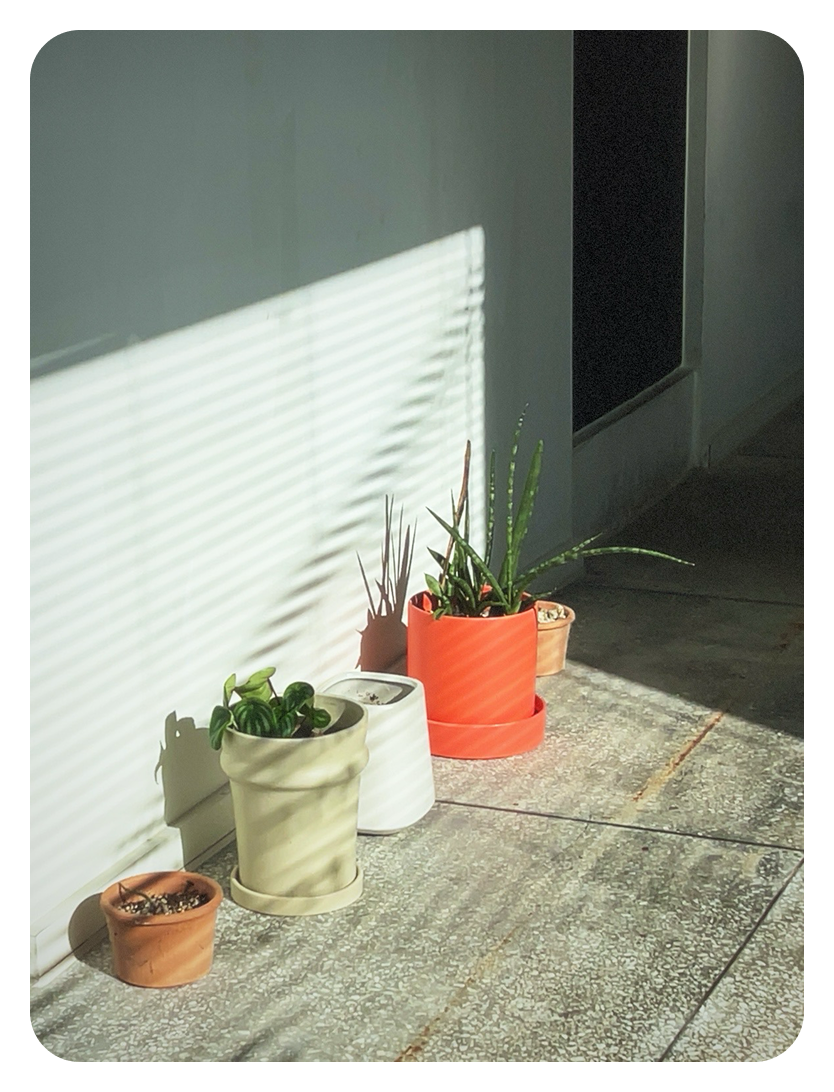

When Did Perfection Become the Default?
To understand the appeal of imperfect photos, it helps to remember that we did not always have a choice.
For most of photography's history, technical limitations were not a feature — they were just the medium. Film was grainy because film was made of silver crystals. Colors shifted because chemistry shifted. Shots were sometimes blurry because shutters were slow and hands were unsteady. Light leaked into the frame because cameras were physical objects with imperfect seals. None of this was a stylistic choice. It was simply what photographs looked like.
Then digital cameras arrived, and slowly, methodically, every one of those imperfections was treated as a problem to be solved.
Sensors got cleaner. Lenses got sharper. Image stabilization eliminated blur. White balance algorithms corrected color shifts. Computational photography stacked dozens of frames at once to maximize dynamic range. Each generation of phone camera was marketed on how much closer it had come to a kind of perfection — clean, bright, sharp, accurate.
By the 2020s, the imperfections were all gone. Every photo from a flagship phone looks technically excellent. And in the same decade, something unexpected happened: people started missing the imperfections.
The Paradox of Technical Perfection
Here is what nobody anticipated: when every photo is technically perfect, photos start to feel less like memories and more like screenshots.
The math of it is simple. A modern phone photo is no longer a single moment captured by a lens. It is an algorithmic average of dozens of frames, processed to maximize sharpness, balance light across the entire scene, smooth out skin tones, and correct any element that the algorithm flags as "wrong." Every photo gets the same treatment. Every photo is optimized.
Optimization, it turns out, has an emotional cost.
When every face is perfectly lit, every sky is perfectly blue, and every scene is perfectly exposed, the photos start to look like they came from the same place. The same algorithm. The same factory. They have the technical specifications of a memory but not the texture of one. You look at a perfect photo of a sunset and your brain registers "yes, this is what a sunset looks like." You look at a slightly imperfect photo of a sunset — one with grain, with a color shift, with a little flare — and your brain registers something different: "I was there."

The difference is not technical. It is emotional. And it is the entire reason film camera apps exist.
Why Imperfection Feels Honest
There is a specific reason imperfect photos feel more emotionally honest than perfect ones, and it comes down to how human memory actually works.
Memory is not a high-resolution recording. It is a soft, lossy, slightly inaccurate process. When you remember a moment from years ago — a friend's laugh, a city street at dusk, the way the light fell on a face — you do not remember it in 4K. You remember it in fragments, in textures, in feelings that are attached to imperfect sensory details. The exact color is wrong. The edges are soft. There is a kind of warmth and grain to the memory itself, even if the original moment was technically clean.
Imperfect photos look like memory. Perfect photos look like data.
There are at least three specific ingredients that give imperfect photos their emotional weight: texture, randomness, and time markers.
Grain is the visual noise that defines film photography. It is not random in the way digital noise is — it has a softness, a kind of organic unpredictability that feels more like the way human vision actually perceives the world. Smooth digital pixels are correct, but they are also flat in a way that real perception is not.
Light leaks happen. Color shifts happen. A real photograph is the product of light hitting a chemical surface in a way that cannot be perfectly controlled. The imperfections are accidents, and accidents feel real. They feel like the photo was taken, not made.
And the time markers — a faded color, a slightly off white balance, a date stamp in the corner — all signal "this is from a moment in time." A perfect modern photo could have been taken yesterday or five years ago; an imperfect one feels anchored to a specific when.
Together, these three ingredients turn a photo from a record into a relic. From a file into a memory.
What We Are Really Asking For
The film camera trend is often described as nostalgia, and it is — but not in the way you might think.
Most people who download film camera apps have never shot real film. They have no memory of waiting for prints to come back from the drugstore. They have never loaded a roll, never run out of frames in the middle of a moment, never paid $15 to develop a single roll of 24 exposures. The nostalgia is not for the actual experience of film. It is for something more abstract.
What people are really nostalgic for is evidence.
A photo that looks like a memory feels like proof that the moment happened. A photo that looks like a perfectly produced advertisement feels like content. The first is yours. The second is just a thing on a screen, indistinguishable from the millions of other things on screens. In a world saturated with images, the photos that survive emotionally are the ones that look like they belong to a specific person at a specific moment — not to an algorithm, not to a brand, not to the optimization layer that processes everything into the same look.
Imperfect photos feel like they were taken by someone. Perfect ones feel like they were generated.
The Constraint as the Feature
There is one more thing that real film cameras had that modern phone cameras stripped away: constraint.
A roll of film had 24 or 36 shots, and that was it. You could not preview the photo before taking it. You could not retake it instantly if it came out wrong. Every shot cost real money to develop. Every shot was, in some small way, a decision.
That constraint was infuriating in 1995 — and it turns out, it was also the entire reason film photography felt meaningful. When every shot costs something, you pay attention to what you point the camera at. You wait for the right moment instead of taking a hundred and choosing later. You shoot less, but you see more.
The flood of modern phone photography is the opposite. You can take a thousand photos in a day at zero cost. You will look at almost none of them. The constraint is gone, and with it, much of the meaning.
This is why the most loved film camera apps are not just about the look. The good ones recreate some version of the feeling — the slight delay, the limited control, the sense that this shot matters — without requiring you to actually load 35mm film into a physical camera. They give you the texture of constraint without the cost.
From Wanting the Look to Having It
For years, the only way to get a real film aesthetic was to do a lot of work. You had to learn editing apps. You had to buy preset packs from photographers on the internet. You had to fiddle with grain settings, color curves, fade levels, and tone maps until each individual photo finally looked the way you wanted. The aesthetic was attainable, but only if you were willing to become an amateur color grader.
For most people, that is too much. The whole appeal of imperfect photos is that they feel effortless and honest. Spending twenty minutes editing a photo to make it look like it was not edited is a contradiction in terms.
The shift that mattered was the moment when the look stopped requiring editing.
Névo is the iOS app we built around exactly this idea. The premise is simple: tap the shutter, and the photo is finished. An analog film filter and automatic adjustments are applied at the moment of capture. There is no preset to choose, no slider to drag, no editing screen to open afterward. The film look is not something you arrive at through effort; it is the default. The first thing you see.
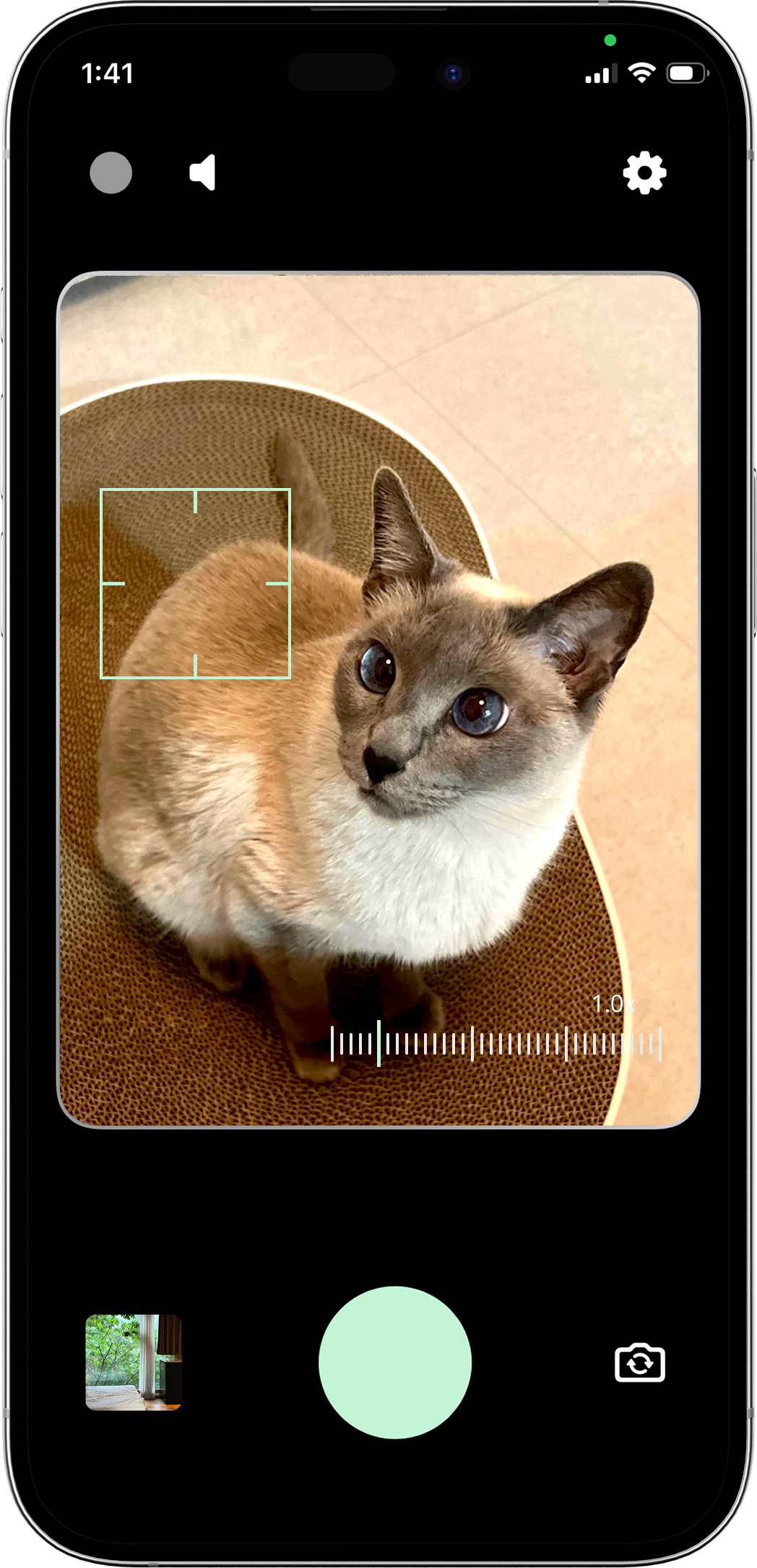

Each photo saves as a Polaroid card with a date stamp and space for a one-line memo, which means your photos do not pile up as anonymous files in your camera roll. They become small, individual keepsakes. The kind you actually go back and look at. There is also a silent shutter for quiet places (cafes, restaurants, museums, sleeping kids), a 0.5x wide angle for capturing more than just what is right in front of you, and home and lock screen widgets that surface old photos throughout the day so memories keep returning to you instead of staying buried.
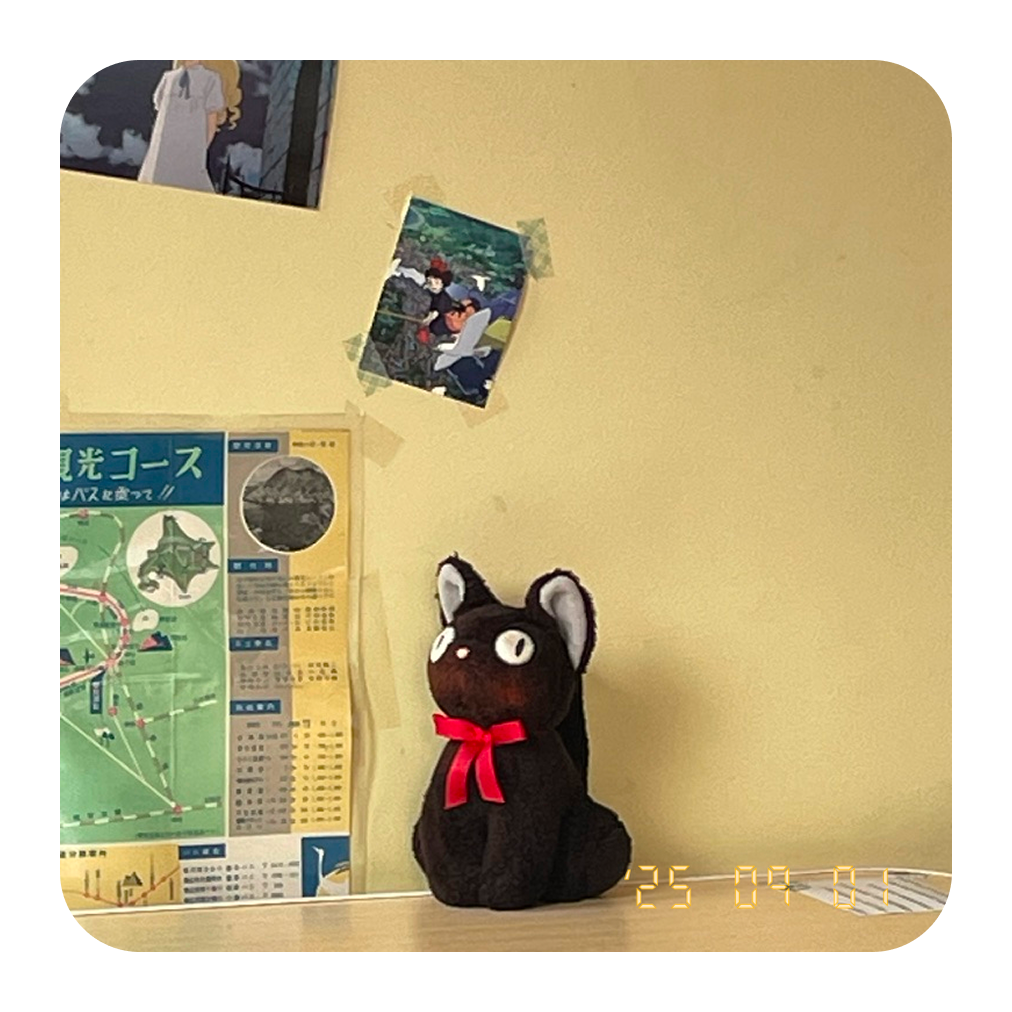
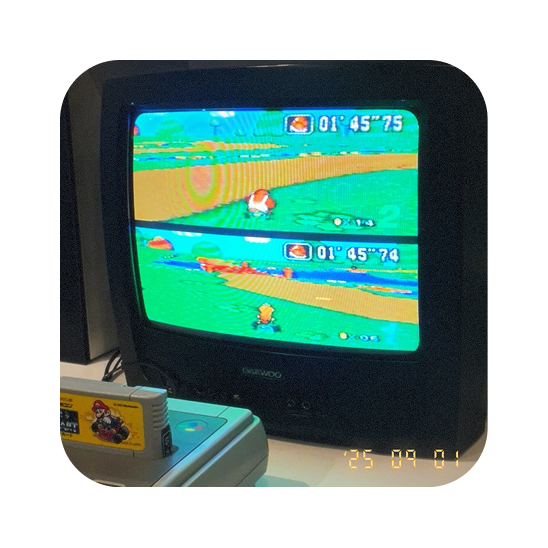

It is a one-time purchase. No subscription, no recurring fees.
We did not build Névo because we wanted to make another film filter. We built it because we wanted photos that look like memories, not like data, and we wanted to take them without thinking. It turns out a lot of other people wanted the same thing.
Névo — One-Tap Film Camera for iPhone
Analog film filter applied at the moment you tap. Photos save as Polaroid cards. One-time purchase, no subscription.
Download on the App Store →